
Craniosacral Therapy
Biodynamic Craniosacral Therapy is a gentle, hands-on approach that works primarily with the nervous system and the subtle movements of the tissues and fluids that support it.
The nervous system plays a central role in how we respond to stress, injury and life experiences. When we feel overwhelmed or under prolonged strain, the body can tighten and adapt in protective ways. Over time, these patterns may contribute to pain, fatigue, anxiety or a persistent sense of being “on edge”.
Through light, attentive touch, I assess areas of tension or restriction in the head, spine and body. Rather than manipulating or forcing change, the work supports the system in settling and reorganising. When the body feels safe enough, it can begin to release held patterns and restore a more balanced state.
Biodynamic Craniosacral Therapy recognises the body’s inherent capacity for regulation and healing. It is suitable for all stages of life, from babies and children to adults, and can be adapted to meet each individual’s needs.
-
The brain and spinal cord are surrounded by membranes and fluid that cushion and protect them. These structures are closely connected to the rest of the body through connective tissue.
Physical injury, emotional stress or repetitive strain can influence how freely the body moves and adapts. Craniosacral Therapy works by gently listening to these subtle restrictions and supporting the body’s natural regulatory capacity.
Sessions are quiet and non-invasive. There is no manipulation or cracking. Many people experience a deep sense of relaxation; others notice warmth, soft movement or gradual unwinding of tension.
-
Craniosacral Therapy may support those experiencing:
• Stress and anxiety
• Overwhelm and nervous system dysregulation
• Recovery from injury or physical strain
• Trauma and life transitions
• Chronic or long-term health conditions
• Supporting babies and children with early regulationEach session is shaped by your individual needs and circumstances.
-
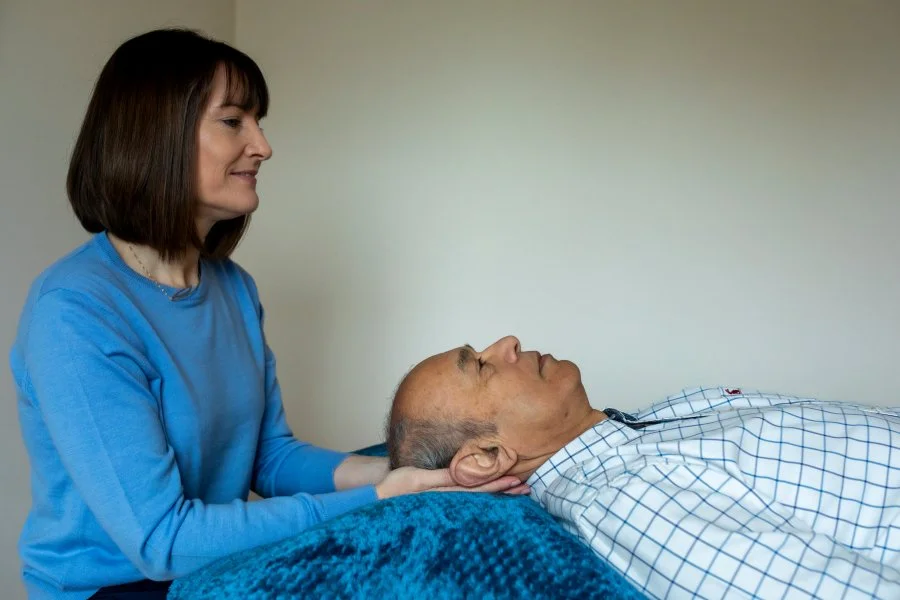
You remain fully clothed, lying comfortably on a treatment table.
I place my hands lightly on different areas of the body, most commonly the head, sacrum, spine and diaphragm. The contact is gentle and still, with no manipulation or force.
Each session is guided by what your body presents on the day. Some sessions feel deeply restful. Others may bring awareness to areas of long-held tension that gradually soften as the nervous system begins to settle.
Many people report feeling calmer, clearer or more grounded afterwards. Some notice subtle shifts during the session, while others experience change gradually over time.
Sessions typically last around 60 minutes and take place in a calm, private treatment space.
-
Biodynamic Craniosacral Therapy developed from osteopathic principles and an understanding of the structures surrounding the central nervous system. The brain and spinal cord are enveloped by protective membranes (the meninges) and bathed in cerebrospinal fluid. These structures are continuous with connective tissue throughout the body, meaning that strain in one area may influence tension elsewhere.
Prolonged stress, injury or emotional trauma can affect how the nervous system regulates itself. When the body remains in a protective state for extended periods, tissues may hold persistent patterns of contraction. Over time, this can influence posture, breathing, pain perception and overall resilience.
The nervous system plays a central role in regulating many of the body’s rhythms — including fluid dynamics, vascular tone and muscular tension. Through very light, sustained contact, I assess subtle changes in tissue tone and responsiveness. Gentle touch stimulates mechanoreceptors in the skin and fascia, which communicate directly with the brain and autonomic nervous system.
When the system shifts from sympathetic activation (fight or flight) towards parasympathetic balance (rest and repair), breathing often deepens, tissues soften and patterns of strain can gradually reorganise. Rather than imposing force, the work supports the body’s intrinsic regulatory capacity, creating the conditions in which healing processes can function more effectively.